September 24, 2026
Fotona Laser Treatments in Encino, CA: Planning for Your First Session
By @josuexxtt741
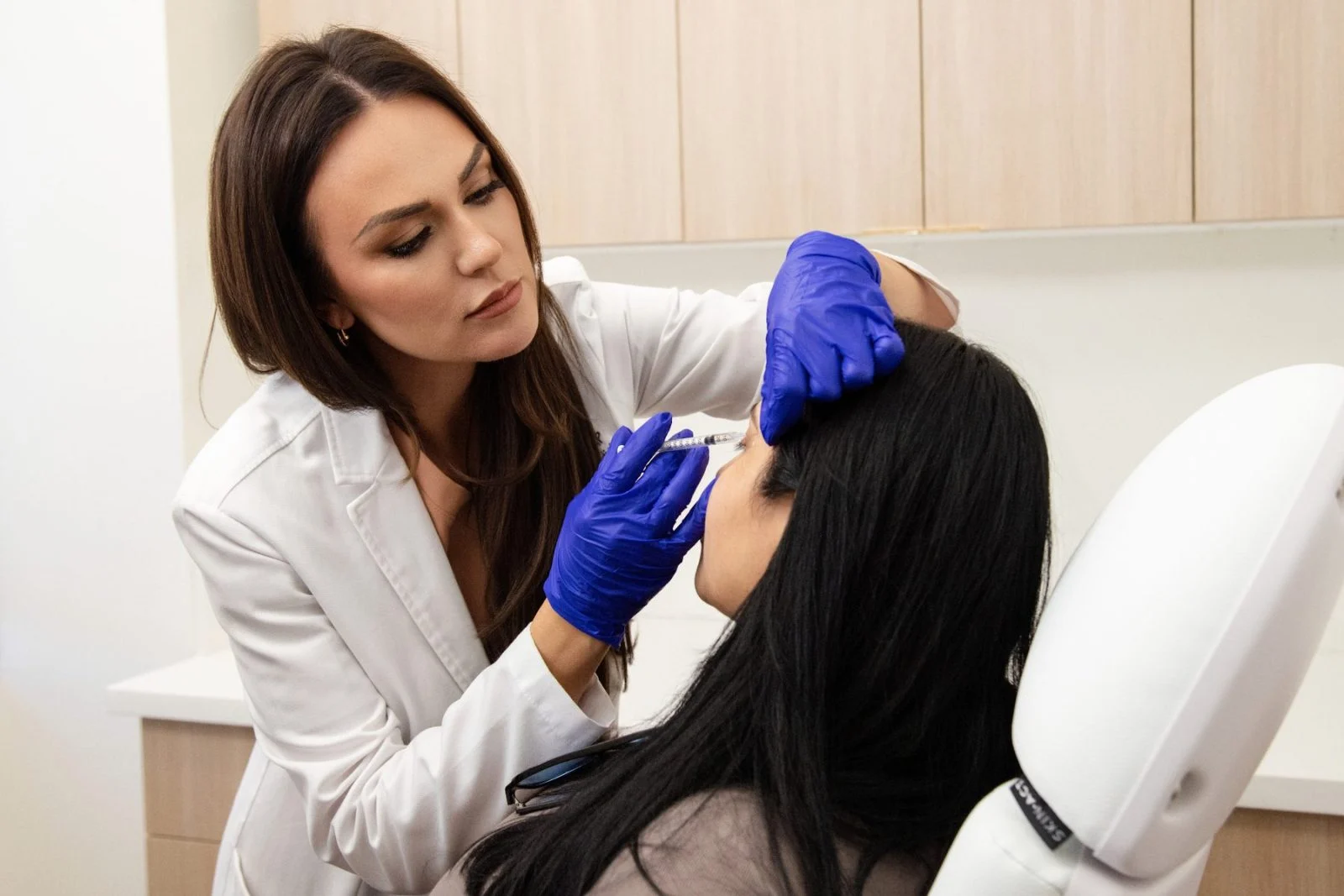
If you are considering Fotona laser treatments in Encino, CA, the first appointment usually brings a mix of curiosity and caution. That is a healthy place to start. Laser treatments can be highly effective, but they are not all the same, and the experience depends as much on planning as it does on the device itself. People often focus on before-and-after photos, yet the more important questions come earlier. Is the treatment right for your skin, your schedule, your goals, and your tolerance for downtime? Are you preparing for a single event, or are you looking for gradual, cumulative change over several months?
Those questions matter because Fotona is not one single treatment. It is a laser platform used in different ways for different concerns, including skin resurfacing, texture improvement, pigment irregularities, fine lines, acne scarring, and skin tightening. Some protocols feel light and easy. Others are more intensive and require real recovery time. A first session goes much more smoothly when you understand that range before you walk in.
In a place like Encino, where many patients want visible improvement without looking overdone, that balance becomes especially important. Most people are not chasing dramatic change overnight. They want fresher skin, softer lines, better tone, and a result that still looks like them. Fotona can fit that goal well, but planning the first session with realistic expectations tends to separate a good experience from a frustrating one.
What makes Fotona different
Fotona systems are known for versatility. Depending on the handpiece, settings, and treatment plan, a provider can target deeper tissue for tightening, work more superficially for resurfacing, or combine approaches in a staged session. That flexibility is one reason the platform has stayed relevant while trends in aesthetics keep shifting.
From a patient perspective, that means your consultation should not sound generic. If someone describes every Fotona treatment as though it produces the same sensation, downtime, and result, that is a sign to slow down and ask better questions. A superficial polish for mild texture concerns is a very different experience from a more aggressive resurfacing session intended to address etched lines or acne scarring. Both may be called “Fotona,” but they are not interchangeable.
This is where the first-time patient can get tripped up. People hear the name of a laser and assume it tells them everything they need to know. It does not. The treatment plan, the provider’s judgment, and the settings matter just as much as the brand.
Start with your actual goal, not the trend
The most useful consultations begin with a plainspoken goal. “I want my skin to look better” is understandable, but it is too broad to guide a smart treatment plan. “My pores look enlarged around my nose and cheeks.” “My makeup catches on acne scars.” “I feel like the skin around my mouth suddenly looks crepey.” “I want tightening, but I cannot take a week off work.” Those are actionable goals.
Patients often come in asking for tightening when what bothers them most is uneven texture. Others ask for resurfacing when the real issue is redness, laxity, or volume loss that laser alone will not solve. A skilled provider will sort that out with you. Sometimes the right answer is still Fotona. Sometimes it is a different device, a less aggressive setting, or a staged plan that combines treatments over time.
The strongest outcomes usually come from matching one priority to the first session. Trying to fix everything at once often leads to overtreatment or disappointment. If your biggest concern is early laxity along the jawline, the session should be built around that. If your concern is old acne scarring, the plan should reflect the fact that scars usually improve gradually, not instantly.
Why Encino patients often ask different questions
Aesthetic patients in Encino tend to be informed, time-conscious, and socially active. That shapes the conversation. Instead of asking only whether a treatment works, many ask whether they can attend a dinner two nights later, return to meetings on Monday, or look camera-ready by a specific event. Those are practical questions, and they should be part of the planning.
Climate and lifestyle matter too. Southern California sun exposure complicates laser timing. A patient who hikes every weekend, plays tennis outdoors, or recently came back from a beach trip may need to delay treatment. Sun-sensitive skin after laser is more vulnerable to irritation and pigment issues, especially if aftercare is loose or inconsistent. A provider familiar with local patient habits will usually ask about this right away.
There is also a common misconception that if a treatment is popular in a high-demand cosmetic market, it must be “no downtime.” That is not always true. Some Fotona treatments are easy to fit into a workweek. Others leave skin red, warm, and visibly healing for several days. Better to hear that clearly at the start than to be surprised in the mirror the next morning.
Your consultation should feel specific
A strong consultation is less about sales language and more about pattern recognition. The provider examines your skin, asks about past treatments, reviews medications, talks through your schedule, and explains what kind of response your skin is likely to have. If you have a history of post-inflammatory hyperpigmentation, melasma, cold sores, rosacea, or poor wound healing, those details matter. They can change timing, settings, preparation, and even whether treatment should proceed at all.
You should expect a discussion of treatment depth, anticipated discomfort, and likely number of sessions. Fine textural improvement might show after one visit, while acne scars, deeper wrinkles, or notable laxity often require a series. A provider who promises dramatic correction in a single session for every concern is oversimplifying.
A good sign is when the consultation includes trade-offs. For example, more aggressive settings can deliver more visible resurfacing, but they also raise downtime and may not be the best choice right before an event. A lighter series can be easier to recover from, but the change is usually more gradual. Neither is inherently better. The right choice depends on what you value most.
Questions worth asking before you book
The best pre-treatment questions are not complicated. They are practical. You want to know what the provider plans to treat, how intense the first session will be, what the healing window actually looks like, and whether your skin type changes the approach. If photos are shown, ask whether they reflect one treatment or a series, and how long after treatment the photo was taken. Timing can make a result look very different.
It is also reasonable to ask who performs the treatment and who sets the parameters. In some practices, the physician is deeply involved in planning and execution. In others, treatment may be delegated. That does not automatically mean the care is poor, but you should know how the office operates and who is making real-time decisions if your skin responds unexpectedly.
One more thing patients rarely ask, but should: what happens if your skin is too tanned, irritated, or reactive on the day of treatment? A conscientious practice will sometimes postpone rather than push forward. That can be disappointing in the moment, but it is often a sign of sound judgment.
How to prepare in the two weeks before your first session
Preparation affects both safety and results. Laser energy interacts with skin best when the skin barrier is reasonably calm and your recent habits are taken into account. Fresh sun exposure, irritation from active skin care, and last-minute cosmetic experiments can all create problems.
For most patients, the two weeks before treatment should be quiet. That means no intentional tanning and no trying a strong new acid, scrub, or retinoid regimen just because you want your skin to be “extra ready.” In practice, over-prepping often backfires. Skin that arrives dry, inflamed, or sensitized is not well prepared.
If you are prone to cold sores and the treatment area includes or approaches the mouth, mention that early. Many providers will take it seriously and may recommend prophylactic medication depending on the treatment type. Likewise, if you have used isotretinoin in the past or are on medications that affect healing or photosensitivity, bring that up plainly. Details that seem minor to a patient can be significant in laser planning.
A simple pre-treatment approach usually works best:
- Avoid sun exposure and tanning, including “just a little color.”
- Pause irritating topicals if your provider instructs you to, especially retinoids, exfoliating acids, and strong acne products.
- Arrive with clean skin, no makeup, and a clear understanding of your aftercare plan.
- Schedule thoughtfully, leaving room for possible redness or swelling beyond the minimum estimate.
- Tell your provider about any history of pigment issues, cold sores, keloids, or delayed healing.
That list is not glamorous, but it prevents many of the problems that lead to poor first experiences.
What treatment day is usually like
The day itself is often less dramatic than patients expect, though it depends on intensity. Some sessions are quick and tolerable with topical numbing. Others are longer and produce a stronger heat sensation, snapping feeling, or post-treatment stinging. Patients describe the experience in different ways, but “warm,” “prickly,” and “sunburn-like afterward” are common descriptions for moderate treatments.
If this is your first laser session of any kind, it helps to be conservative. There is real value in seeing how your skin responds before escalating. That does not mean under-treating everyone. It means respecting that individuals vary. Two patients with similar concerns can heal very differently. One may be barely pink the next day. Another may stay swollen and blotchy for several days.
During treatment, eye protection is standard and non-negotiable. Depending on the area being treated, the provider may move methodically in passes and adjust based on skin response. Post-treatment, the skin may look flushed and feel hot. For stronger resurfacing sessions, that reaction can be more intense and can evolve over the first 24 hours.
If someone tells you laser always feels “like nothing,” treat that as marketing, not guidance. Some sessions are very manageable, yes. Others are uncomfortable enough that patients are glad they arranged a calm evening afterward.
The first 72 hours matter more than most people think
Aftercare is where discipline beats enthusiasm. The goal is to support healing, protect the skin barrier, and avoid anything that adds unnecessary heat, friction, or irritation. Patients sometimes get excited by the idea of speeding recovery and start layering products, masks, or home remedies. That is usually a mistake.
The first few days often involve redness, warmth, mild swelling, dryness, or a rough texture as the skin begins to recover. If the treatment was more intensive, bronzing or a sandpapery feel may develop before the skin smooths out. That process can look worse before it looks better. This is normal, but it catches first-timers off guard if nobody explains it clearly.
Sun protection after treatment is not optional. In Southern California, even short incidental exposure adds up. Driving, walking from the parking lot, sitting near windows, and lunch on a sunny patio all count. The skin is more vulnerable during healing, and careless exposure can undermine the result.
Most offices will give specific aftercare instructions, and those should take priority. In broad terms, expect to use gentle cleansing, bland moisturization, and strict sunscreen once appropriate for your stage of healing. Heat-heavy workouts, hot yoga, saunas, steam rooms, and vigorous rubbing are commonly restricted for a period after treatment.
When you can expect to see results
This is where expectations need fine tuning. Some patients expect immediate transformation once the redness settles. Others worry they got no result because changes are not obvious on day three. Neither reaction is very useful.
With lighter resurfacing or brightening-focused treatments, skin can look fresher relatively soon after recovery, sometimes within a week or two. Tightening effects, however, can take longer as collagen remodeling unfolds gradually. That improvement tends to be subtle at first, then more noticeable over the following weeks or months. Scar remodeling is also a slow process, especially for older acne scars.
The timeline depends on what was treated. Texture may improve earlier than firmness. Fine lines may soften before deeper etched creases change. Pigment can fluctuate during healing. A realistic provider will distinguish between an early glow and the longer arc of tissue remodeling.
A common pattern is this: the patient sees initial brightness once the surface recovers, then a quieter period, then more meaningful textural or tightening improvement later. If a series is planned, the cumulative effect matters more than obsessing over each day after the first appointment.
Common concerns that deserve honest answers
Patients preparing for Fotona laser treatments in Encino, CA often ask if the treatment is safe for all skin tones, whether it hurts, and whether one session is enough. The Fotona Laser Treatments Encino, CA OMNIA Wellness Center honest answer to each is, it depends.
Skin tone matters because pigment response matters. Some laser settings and treatment styles are more suitable than others depending on your skin type and history. That does not automatically exclude darker skin tones, but it does require careful assessment, appropriate parameters, and thoughtful aftercare. This is not a place for guesswork.
Pain is subjective, and so is the word “tolerable.” A provider with experience will tell you what sensation to expect for your specific protocol, not just laser treatment in general. As for whether one session is enough, that depends entirely on your goal. If you want a modest refresh before a social event, one may be reasonable. If you want meaningful improvement in scars or laxity, a series is much more realistic.
Another concern that comes up often is whether laser can replace everything else. Usually it cannot. Laser can improve tone, texture, and tightening, but it does not replace sun protection, a stable home routine, or, when appropriate, other modalities like injectables or skin care maintenance. The best outcomes usually come from treating laser as one part of a broader plan rather than a magic reset button.
Scheduling around real life
One of the smartest things you can do is choose timing that respects your calendar. If you have a wedding, a work presentation, family photos, or travel planned, factor that in before booking. I have seen patients do beautifully with treatment and still regret the timing because they expected to look fully polished too soon.
When in doubt, build extra buffer. If you are told downtime may be three to five days, and the event matters, give yourself more than five. Skin does not read estimates. Even mild swelling can linger longer than expected, especially under the eyes or around the mouth. If you tend to react strongly to procedures, that buffer is worth even more.
There is also a seasonal rhythm to laser planning in Southern California. Many people prefer fall, winter, and early spring because sun management is easier. Summer is not impossible, but it is less forgiving if you are outdoors often or have upcoming travel. That does not mean you must wait for perfect timing, only that your habits should match the treatment.
The best first session is often a measured one
A first session does not need to be the most aggressive session. In many cases, it should not be. There is professional value in seeing how your skin behaves, how faithfully you follow aftercare, and how the result aligns with your own perception. Some patients love a gradual approach once they experience it. Others decide they are willing to accept more downtime for a stronger second session. That kind of adjustment is thoughtful medicine, not indecision.
This is especially relevant for patients who are new to aesthetics. They may arrive focused on the strongest possible treatment because they assume stronger always means better. Often, better means calibrated. A treatment that you can recover from properly, protect from the sun, and repeat if needed usually outperforms the one that sounded impressive but disrupted your schedule and left you unhappy with the healing phase.
Knowing when to pause
Not every consultation should end in treatment. If your skin barrier is irritated, your tan is fresh, your melasma is active, or your expectations are not aligned with what laser can do, pressing pause can be the right choice. Good providers do that more often than people realize.
There is no loss in waiting a few weeks to prepare properly. In fact, some of the best laser outcomes begin with a short runway of skin stabilization, sun avoidance, and expectation setting. Patients are sometimes surprised that patience can improve both safety and satisfaction, but it often does.
A final practical mindset for first-timers
Go into your first appointment informed, but not overcommitted to internet narratives. Online reviews and social media clips can be useful, yet they tend to flatten nuance. One person’s “zero downtime” may mean they work from home and do not mind visible redness. Another person’s “amazing after one treatment” may reflect a concern that was relatively mild to begin with. Your skin, schedule, and threshold for recovery are your own.
The best preparation for Fotona laser treatments in Encino, CA is simple: know what you want to improve, choose a provider who speaks in specifics, protect your skin from the sun, and give the healing process room to happen. The first session is not just a treatment. It is the beginning of a plan, and plans work best when they are built on clarity rather than hype.
OMNIA Wellness Center
Address: 16430 Ventura Blvd Ste 207, Encino, CA 91436
Phone number: +18183868511
FAQ About Fotona Laser Treatments Encino, CA
What is a Fotona laser good for?
A Fotona Laser system is a versatile, dual-wavelength medical laser used primarily for non-surgical skin tightening, anti-aging rejuvenation, and dermatological treatments.
How much does the Fotona laser cost?
The cost of a Fotona laser depends heavily on whether you are looking to purchase a laser machine for a medical practice or are a patient seeking a laser treatment at a medspa.
Is a Fotona laser worth it?
A Fotona laser treatment is generally worth it if you want non-surgical skin tightening, improved texture, and collagen stimulation with very little downtime.
❧